Candyflower
Claytonia sibirica
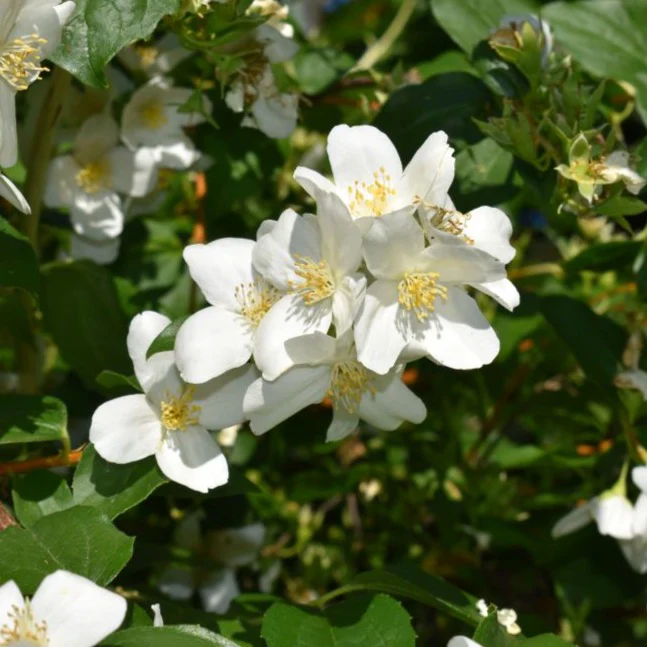
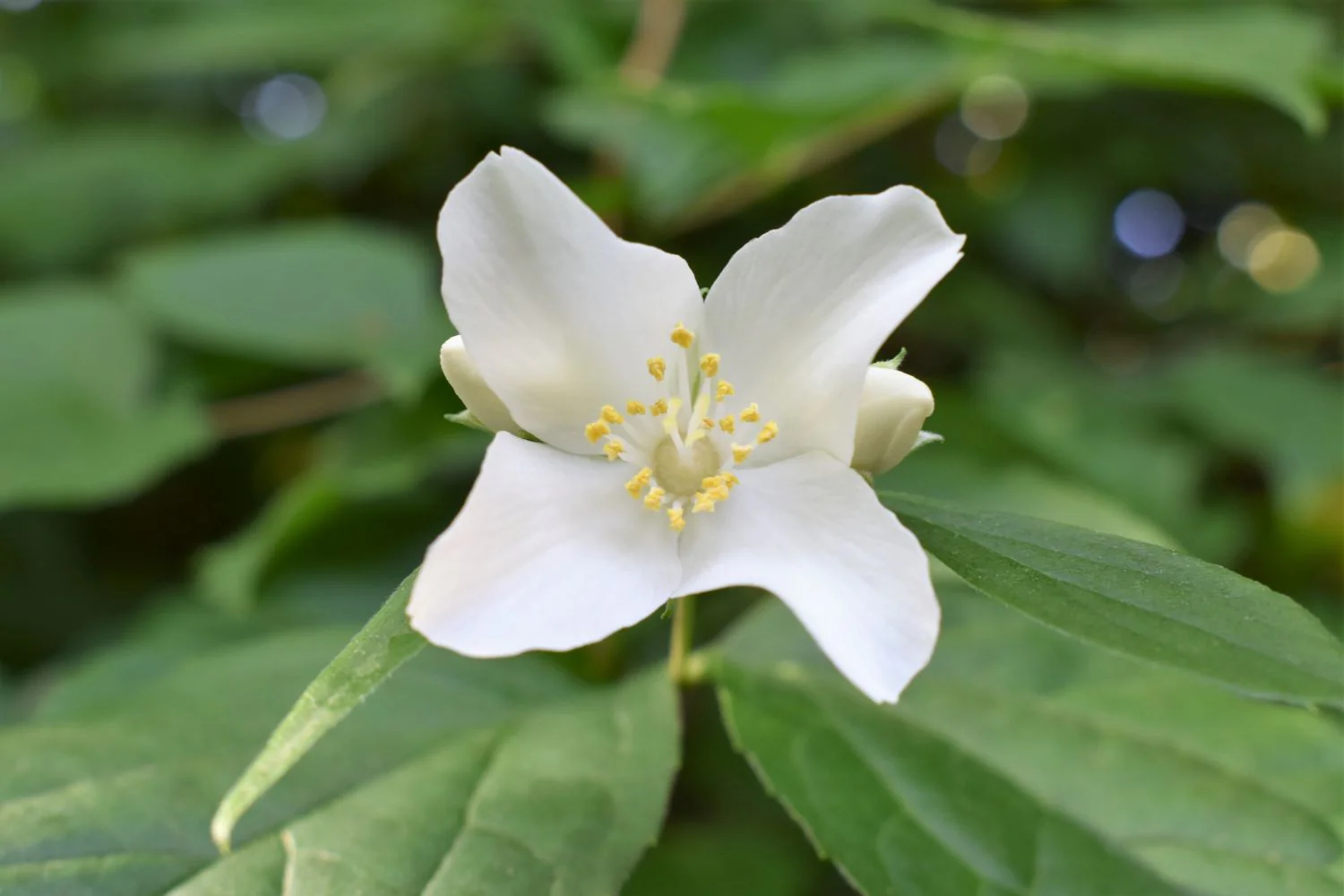
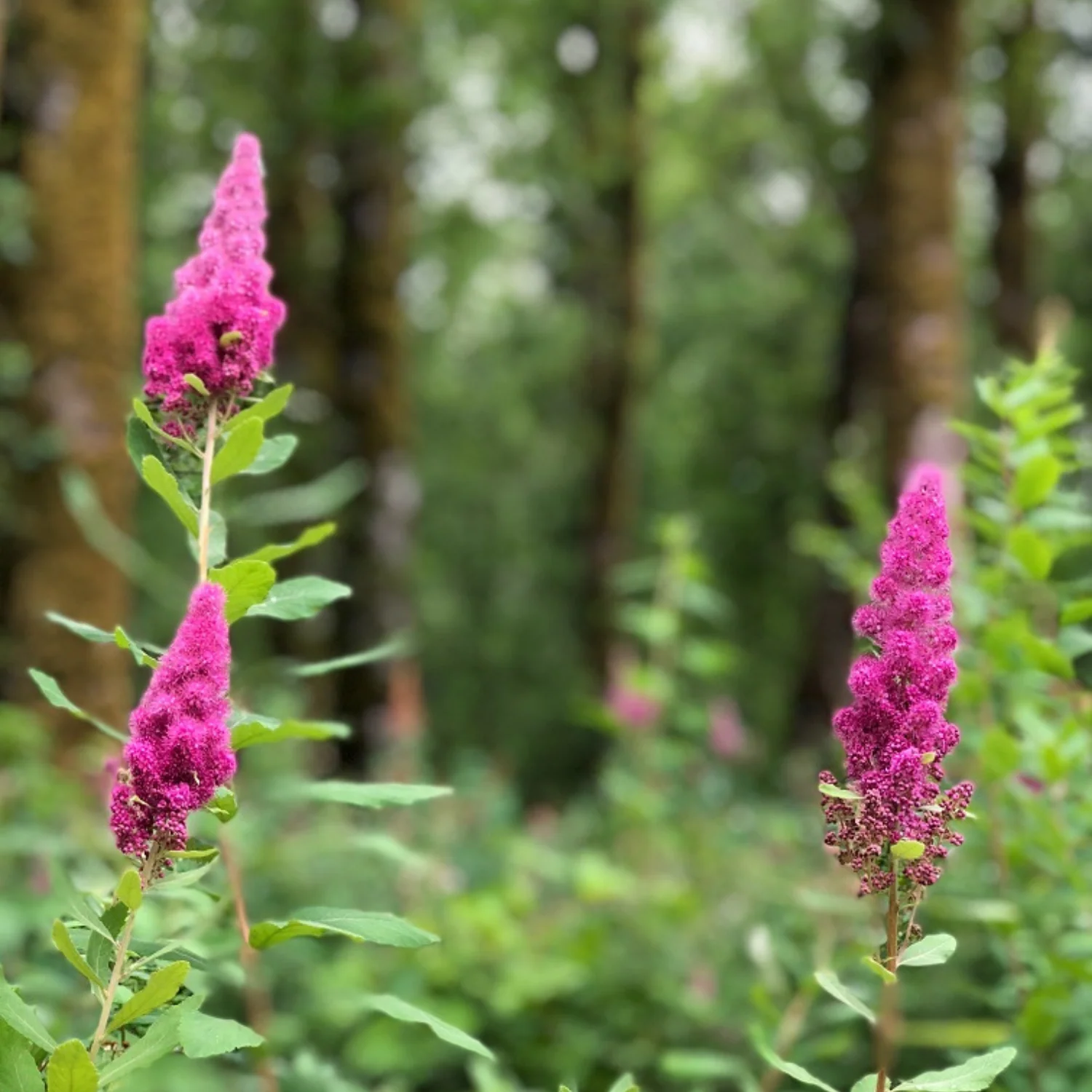
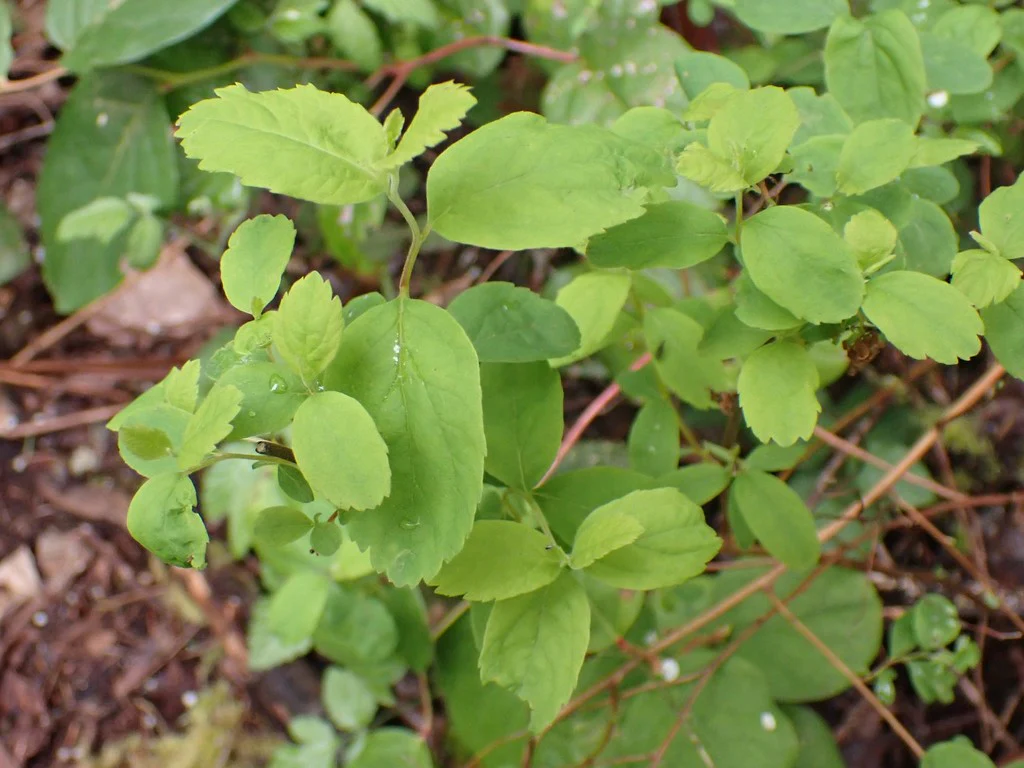
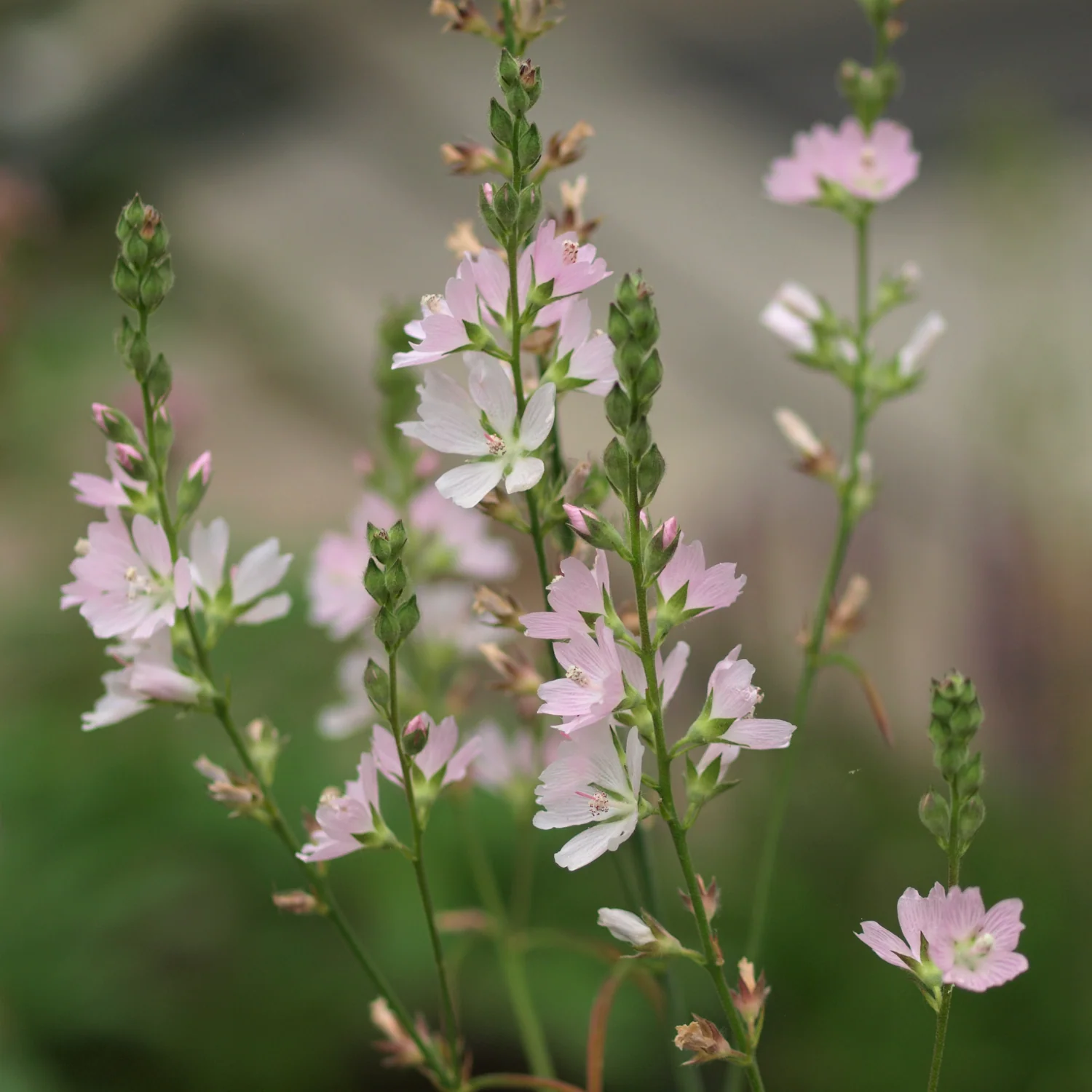
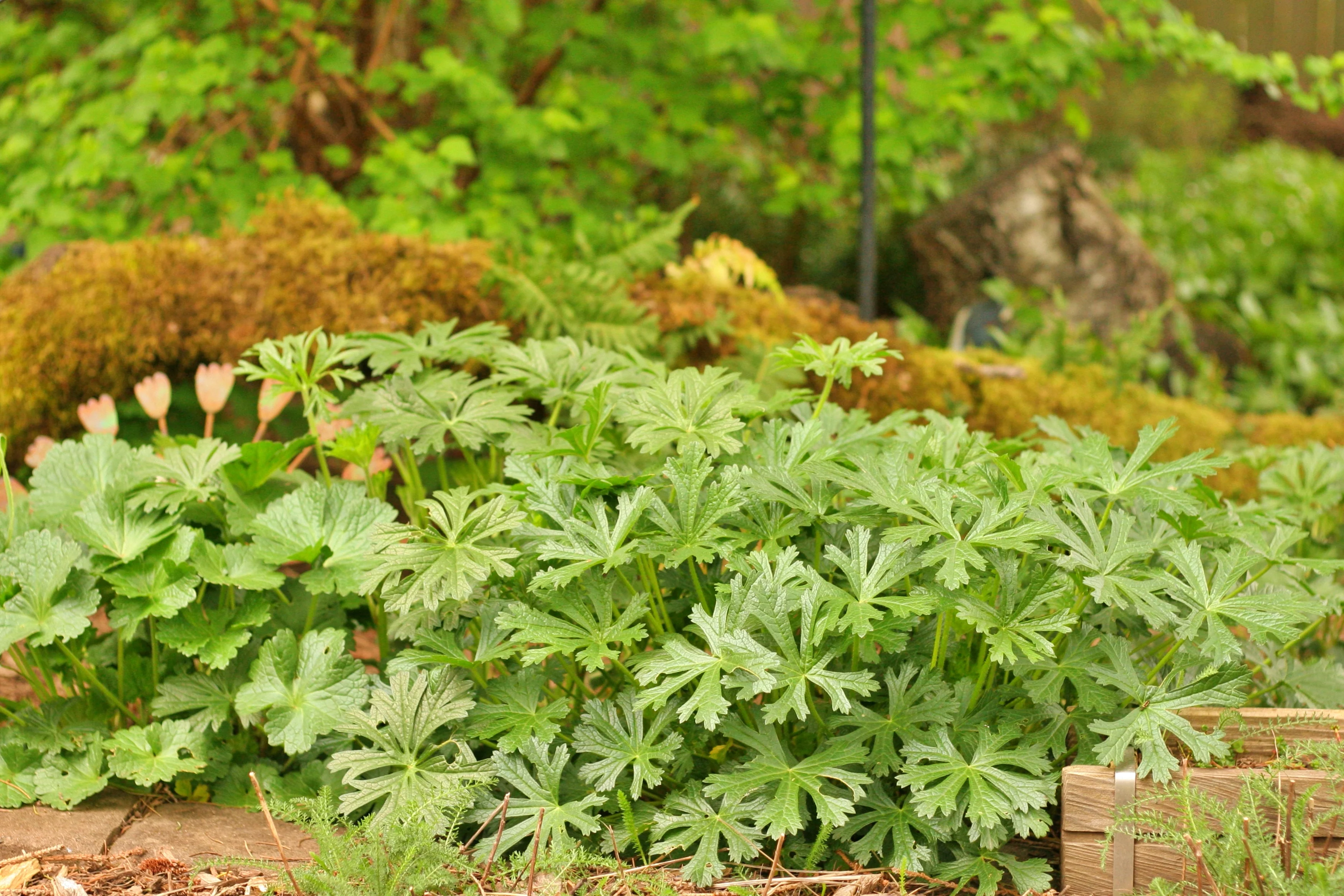
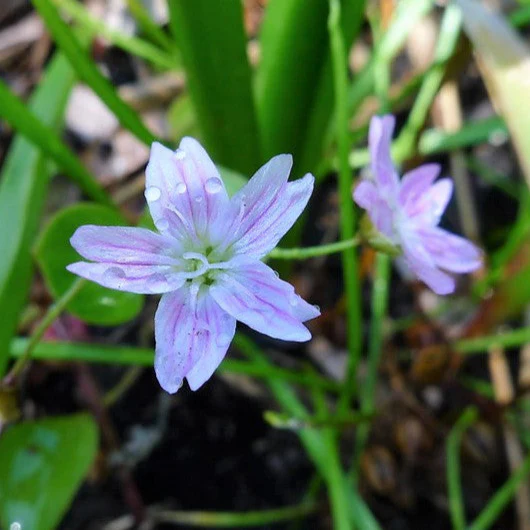
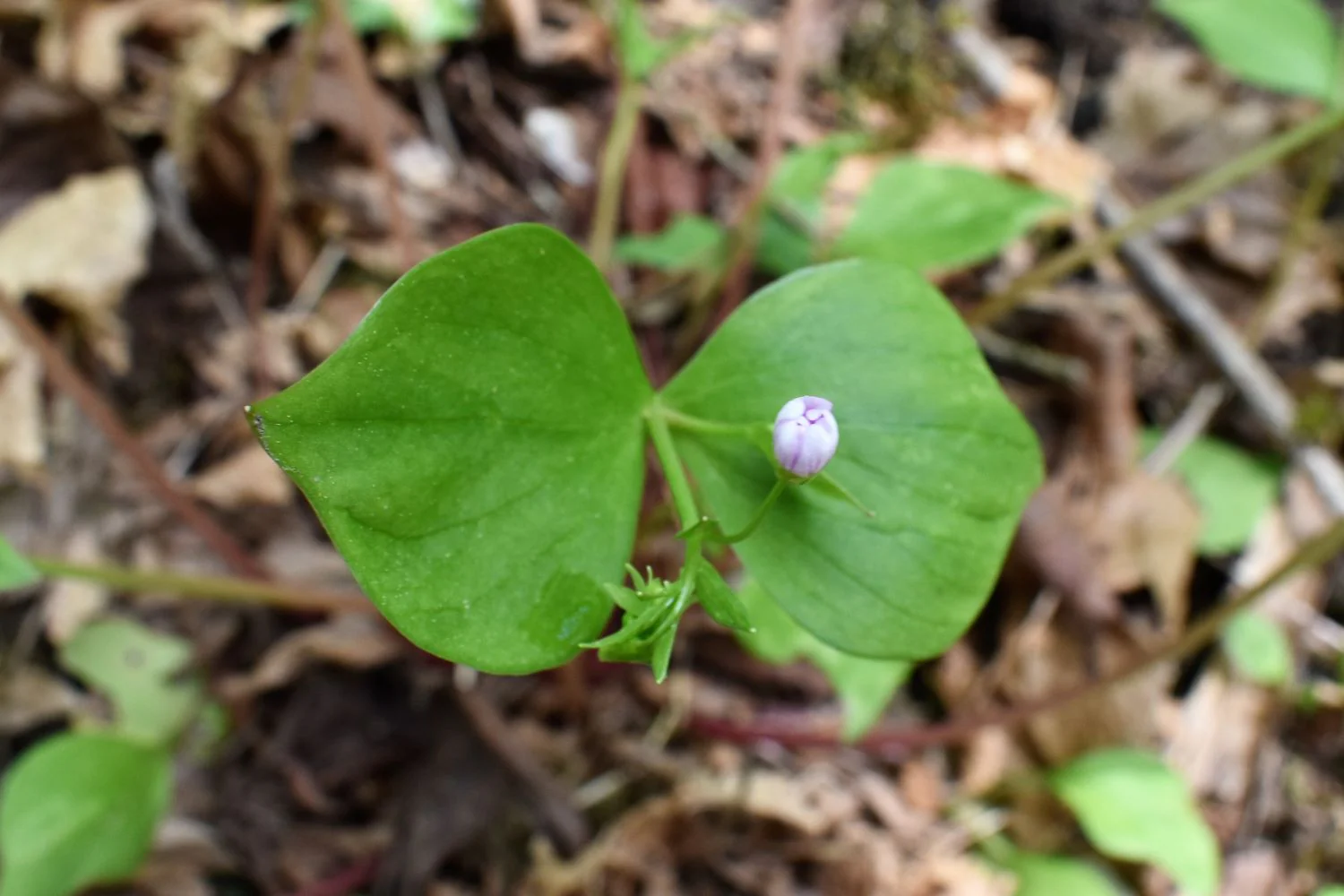
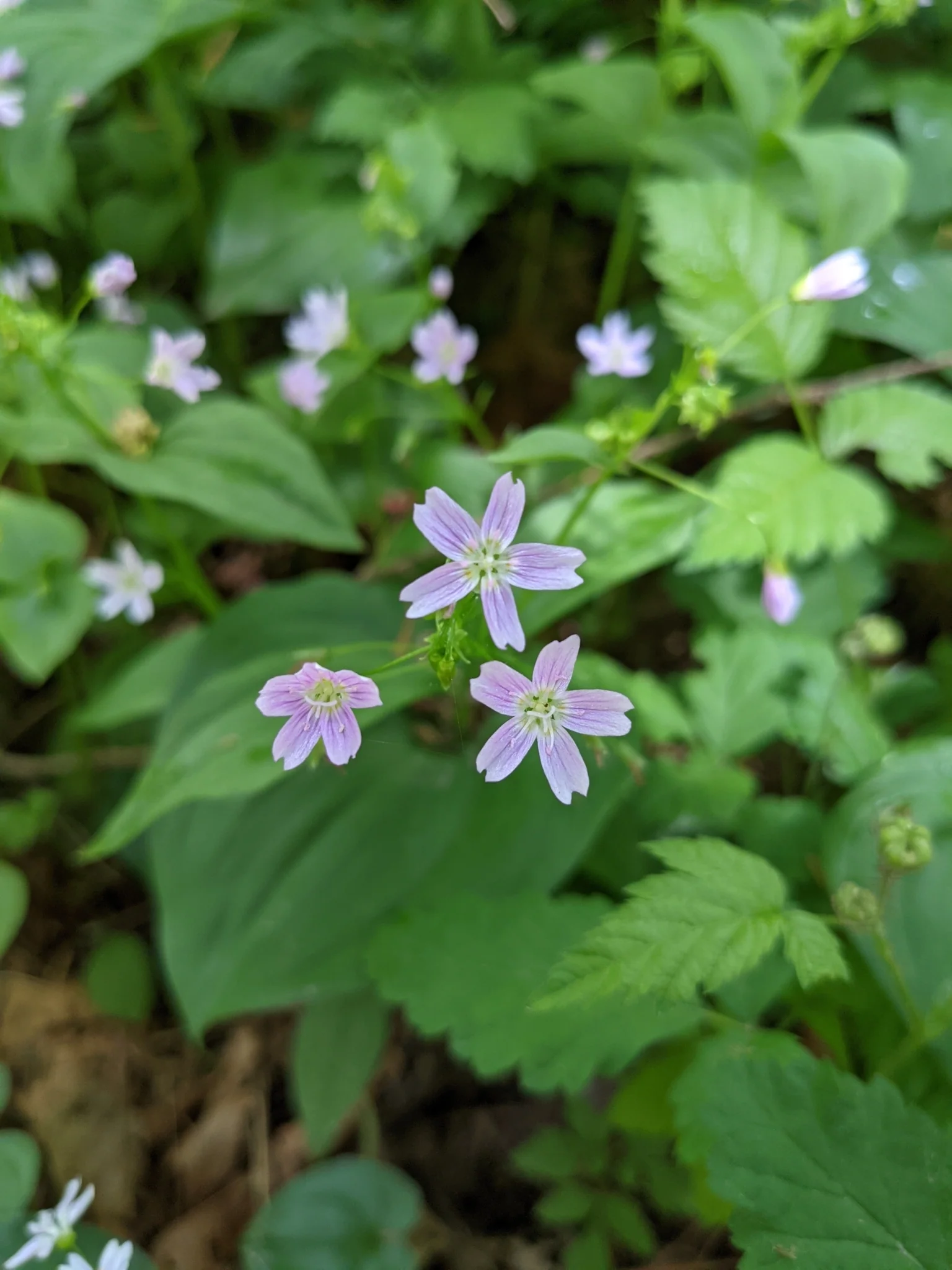
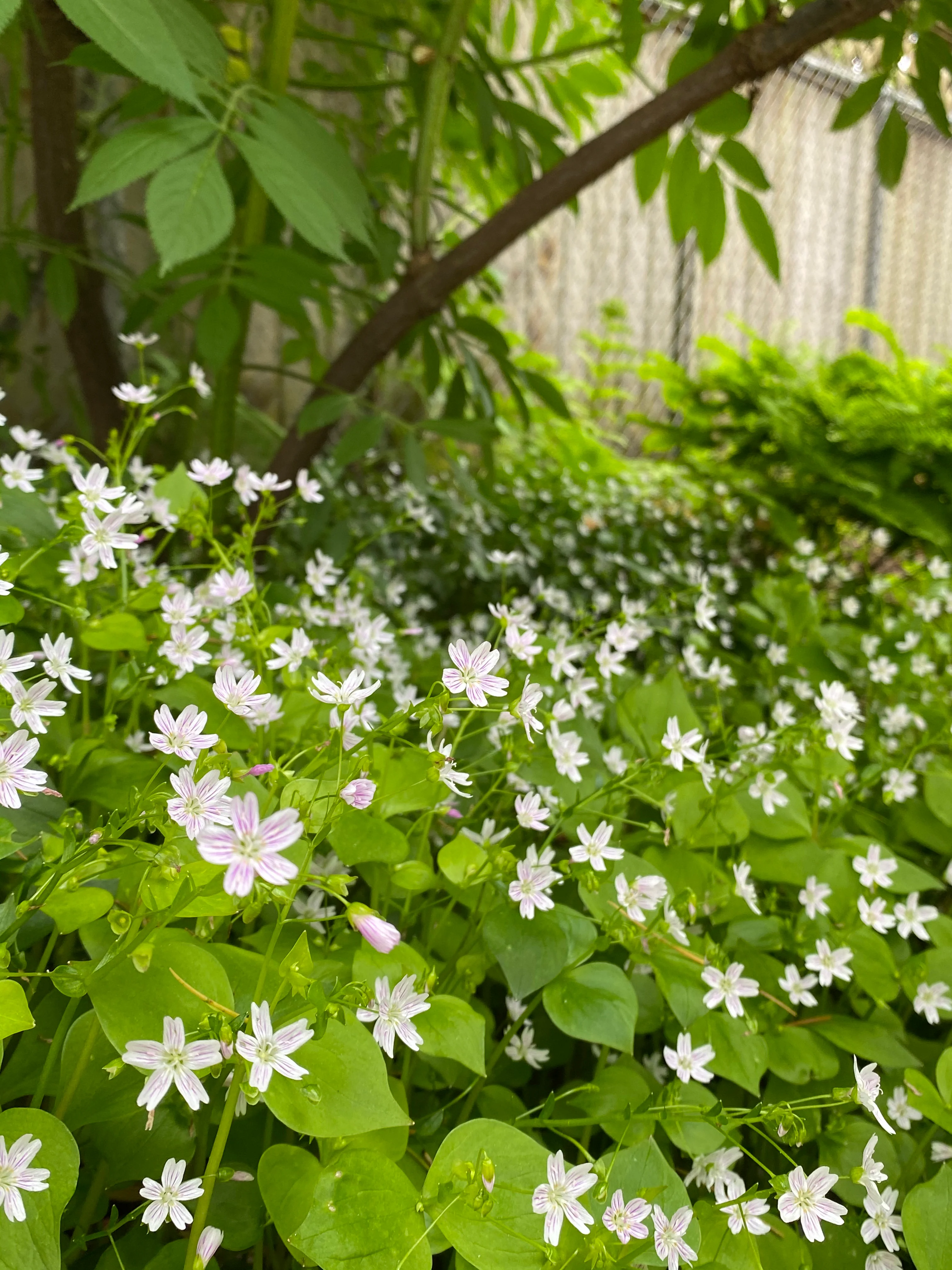
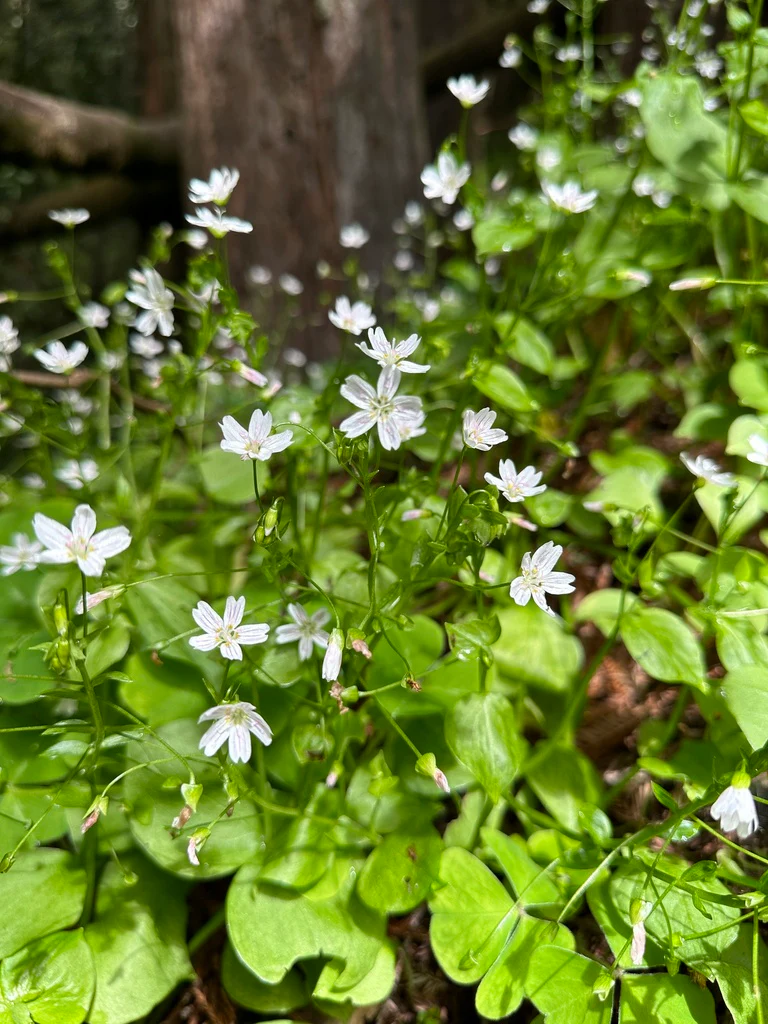
Candyflower, also known as miner’s lettuce, is a native groundcover with white to pink candy-striped flowers and dark green, semi-succulent, edible leaves. It grows as an annual or short-lived perennial, but will reseed readily, forming lush, self-sustaining patches of groundcover in woodland gardens. It puts on an impressive show of adorable blooms; occasionally beginning in mild winter months, coming into full force by spring and holding through summer.
- Plant type/canopy layer: deciduous, annual or short-lived perennial, herbaceous plant
- Size at maturity: 0-12" tall, spreading by seed to form a groundcover
- Light requirements: part sun to full shade
- Moisture requirements: moist soil, prefers well-drained
- Bloom time: January - September (May - August in the Portland Metro area)
- Growth rate/ease: fast growing, easy to grow
- Wildlife support: flowers attract and support bees and other insect pollinators
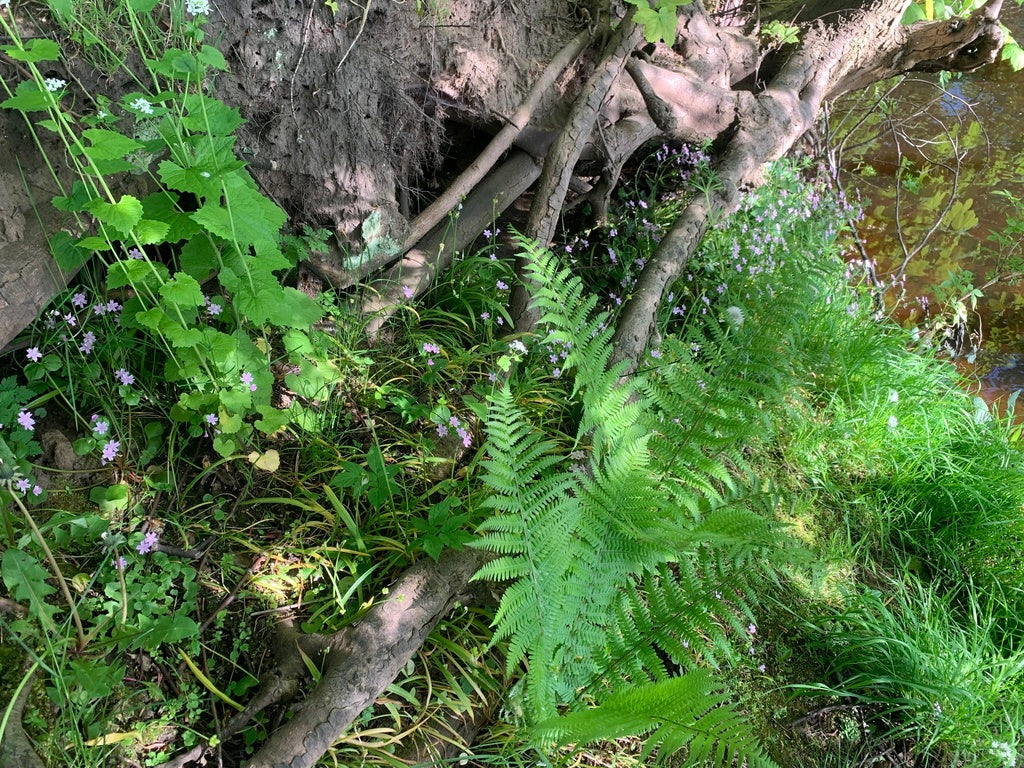
- Native habitat/range: common in moist places, swamps, seeps and streambanks in forests and wet meadows, from the coast up to 2000m, across the Pacific Northwest - but not in the arid areas of central Washington and Oregon. Portland Plant List - yes.
- Special features & uses: groundcover; leaves are edible raw in salads and as a sauteed green; landscape uses include woodland gardens and shady raingardens
What to Expect + Gardening with Candyflower: This succulent groundcover requires most to entirely shady areas with moist, well-drained soil. It combines beautifully with ferns, wild ginger and false Solomon’s seal and will spread nicely by seed, making it a self-sufficient and charming addition to woodland gardens, streambanks, and shady raingardens.
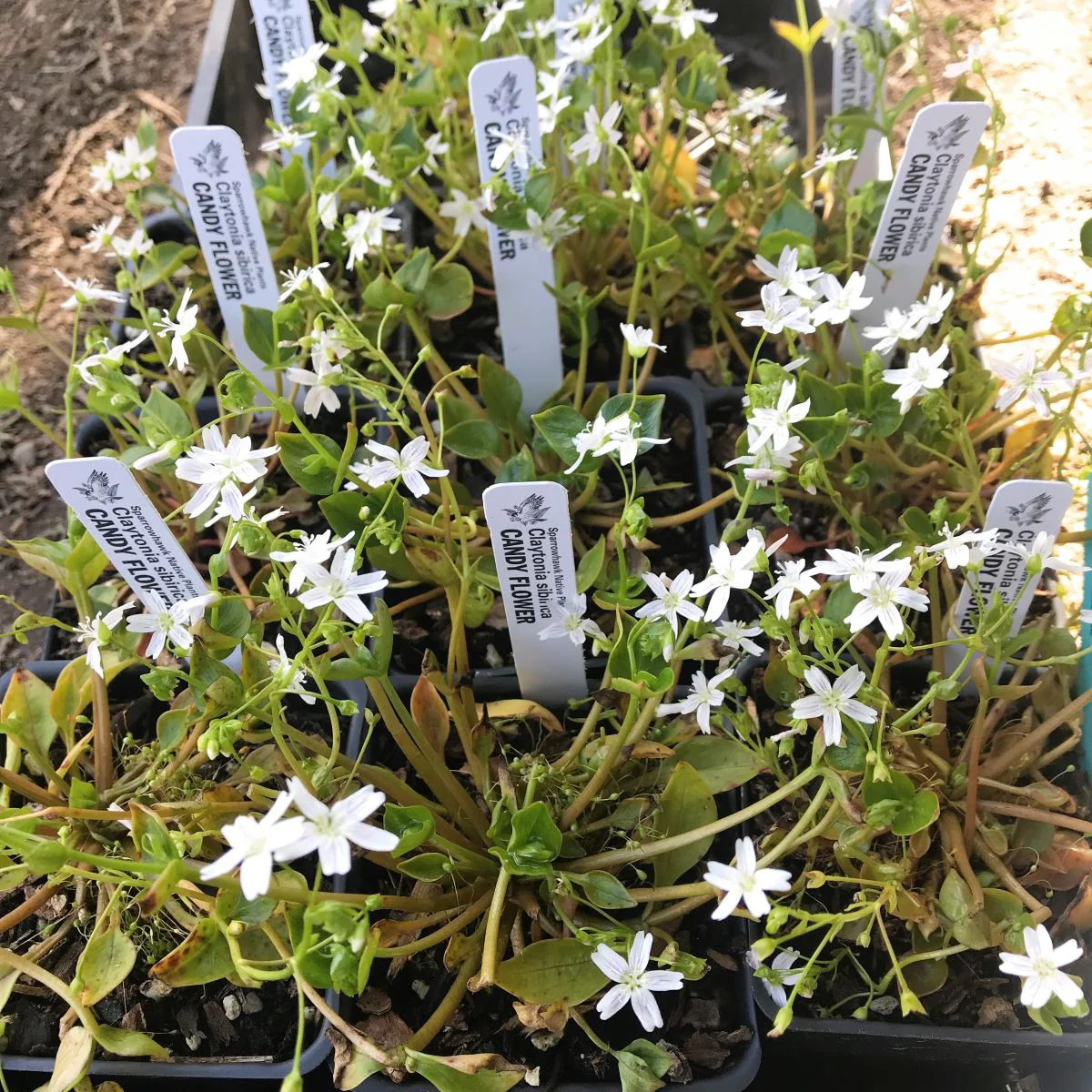
Photo Credit 1 -3 (flower closeup, leaf/bud, nursery flat): Nikkie West, Sparrowhawk Native Plants
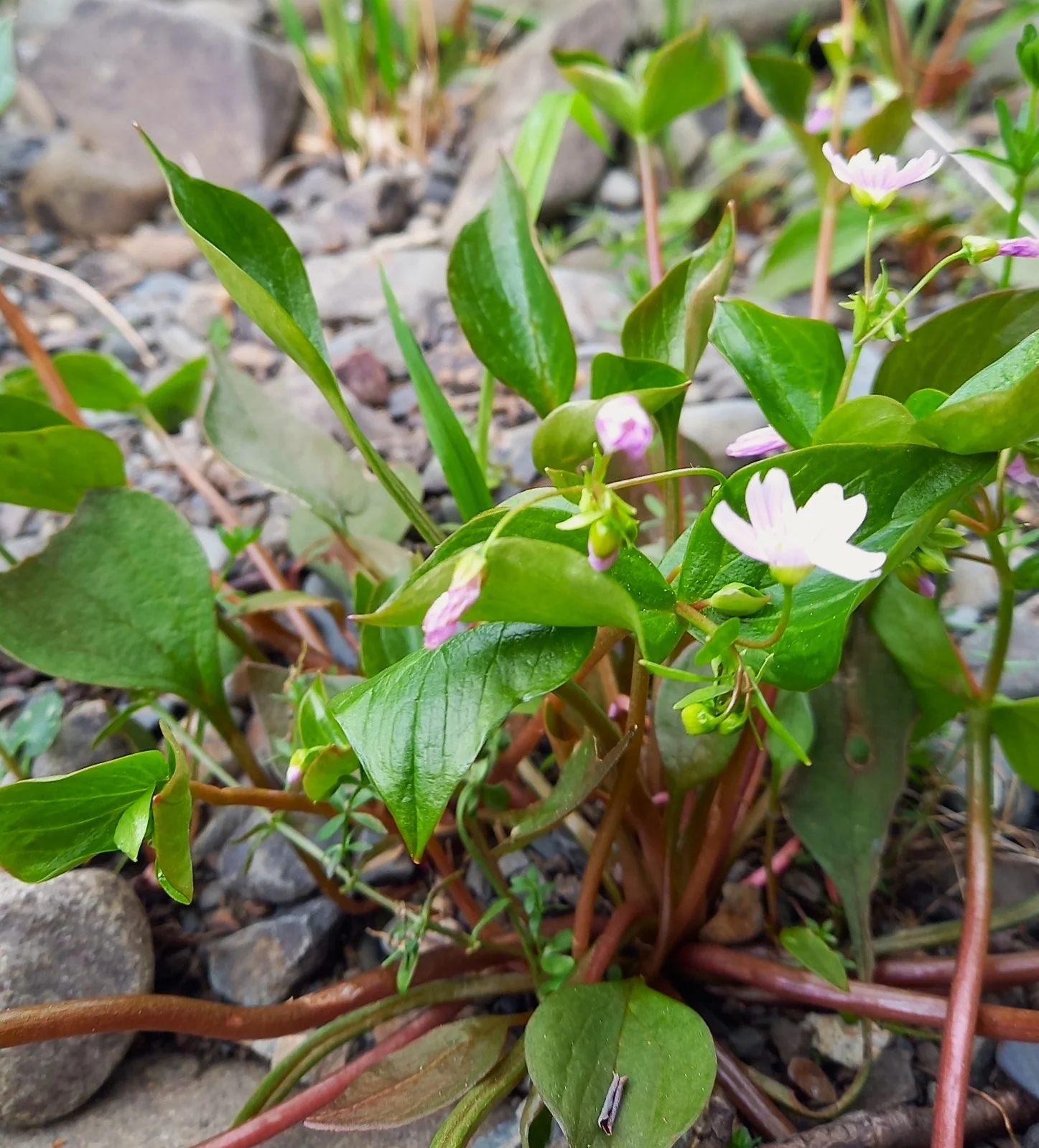
Photo Credit 4 (red stems): © sugarsnap_t, some rights reserved (CC-BY)
Photo Credit 5 (three close flowers): © David Dyck, some rights reserved (CC-BY)
Photo Credit 6 (in a habitat garden): Karli Del Biondo, Beetles and Bees
Photo Credit (wild flowering plants): © Matt Berger, some rights reserved (CC-BY)
Photo Credit (with companions): © lesleytotten, some rights reserved (CC-BY)
Product Information
Product Information
Shipping & Returns
Shipping & Returns
Description
Claytonia sibirica
Candyflower, also known as miner’s lettuce, is a native groundcover with white to pink candy-striped flowers and dark green, semi-succulent, edible leaves. It grows as an annual or short-lived perennial, but will reseed readily, forming lush, self-sustaining patches of groundcover in woodland gardens. It puts on an impressive show of adorable blooms; occasionally beginning in mild winter months, coming into full force by spring and holding through summer.
- Plant type/canopy layer: deciduous, annual or short-lived perennial, herbaceous plant
- Size at maturity: 0-12" tall, spreading by seed to form a groundcover
- Light requirements: part sun to full shade
- Moisture requirements: moist soil, prefers well-drained
- Bloom time: January - September (May - August in the Portland Metro area)
- Growth rate/ease: fast growing, easy to grow
- Wildlife support: flowers attract and support bees and other insect pollinators
- Native habitat/range: common in moist places, swamps, seeps and streambanks in forests and wet meadows, from the coast up to 2000m, across the Pacific Northwest - but not in the arid areas of central Washington and Oregon. Portland Plant List - yes.
- Special features & uses: groundcover; leaves are edible raw in salads and as a sauteed green; landscape uses include woodland gardens and shady raingardens
What to Expect + Gardening with Candyflower: This succulent groundcover requires most to entirely shady areas with moist, well-drained soil. It combines beautifully with ferns, wild ginger and false Solomon’s seal and will spread nicely by seed, making it a self-sufficient and charming addition to woodland gardens, streambanks, and shady raingardens.
Photo Credit 1 -3 (flower closeup, leaf/bud, nursery flat): Nikkie West, Sparrowhawk Native Plants
Photo Credit 4 (red stems): © sugarsnap_t, some rights reserved (CC-BY)
Photo Credit 5 (three close flowers): © David Dyck, some rights reserved (CC-BY)
Photo Credit 6 (in a habitat garden): Karli Del Biondo, Beetles and Bees
Photo Credit (wild flowering plants): © Matt Berger, some rights reserved (CC-BY)
Photo Credit (with companions): © lesleytotten, some rights reserved (CC-BY)